Research


Not all areas below are necessarily related to ongoing projects, but we are actively thinking about all of them. The list is also not exhaustive so if if you are interested in collaborating on a specific area or some area of river system science that is not listed –  please be in touch


Our Research Areas

Our research covers many aspects of river systems, from understanding natural processes to river and basin management and ecosystem services.

We put a special emphasis on sediment transport as an emergent property depending on natural drivers and human interventions, and on water infrastructure planning and management, which epitomizes both human dependence and impacts on rivers. 

Research Areas

Network models of river processes

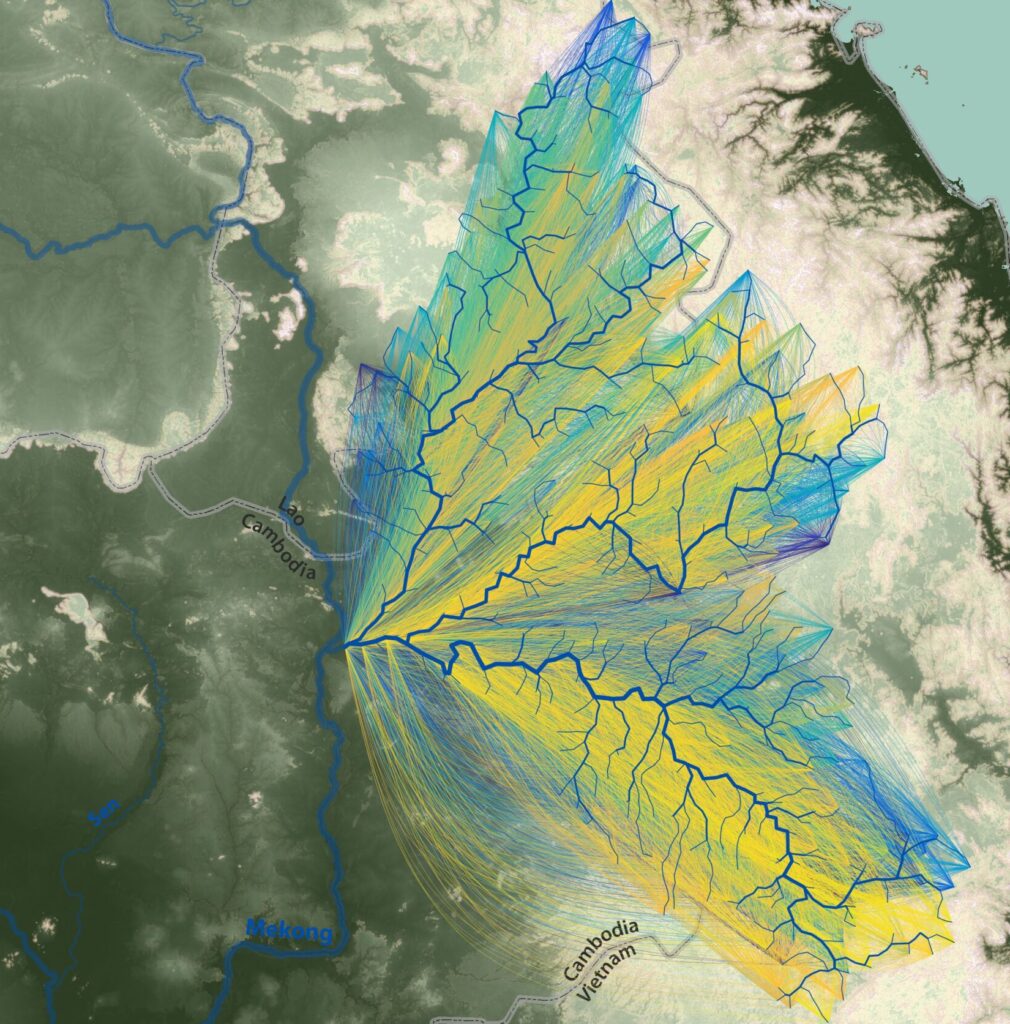
Rivers are connected systems – a grain of sand eroded nourishes beaches far downstream, while fish travel upstream to reach their spawning grounds. Thus, any local disturbance can have repercussions throughout the entire river network. 

We thus develop tools such as the CASCADE sediment model, models for fish habitat, and for hillslope channel coupling that depict rivers as deeply connected systems. 

Often through deploying graph theory, our models enable to better understand rivers, and test the impact of future development on their connected functions.   
Other info

Strategic Planning of Water infrastructure

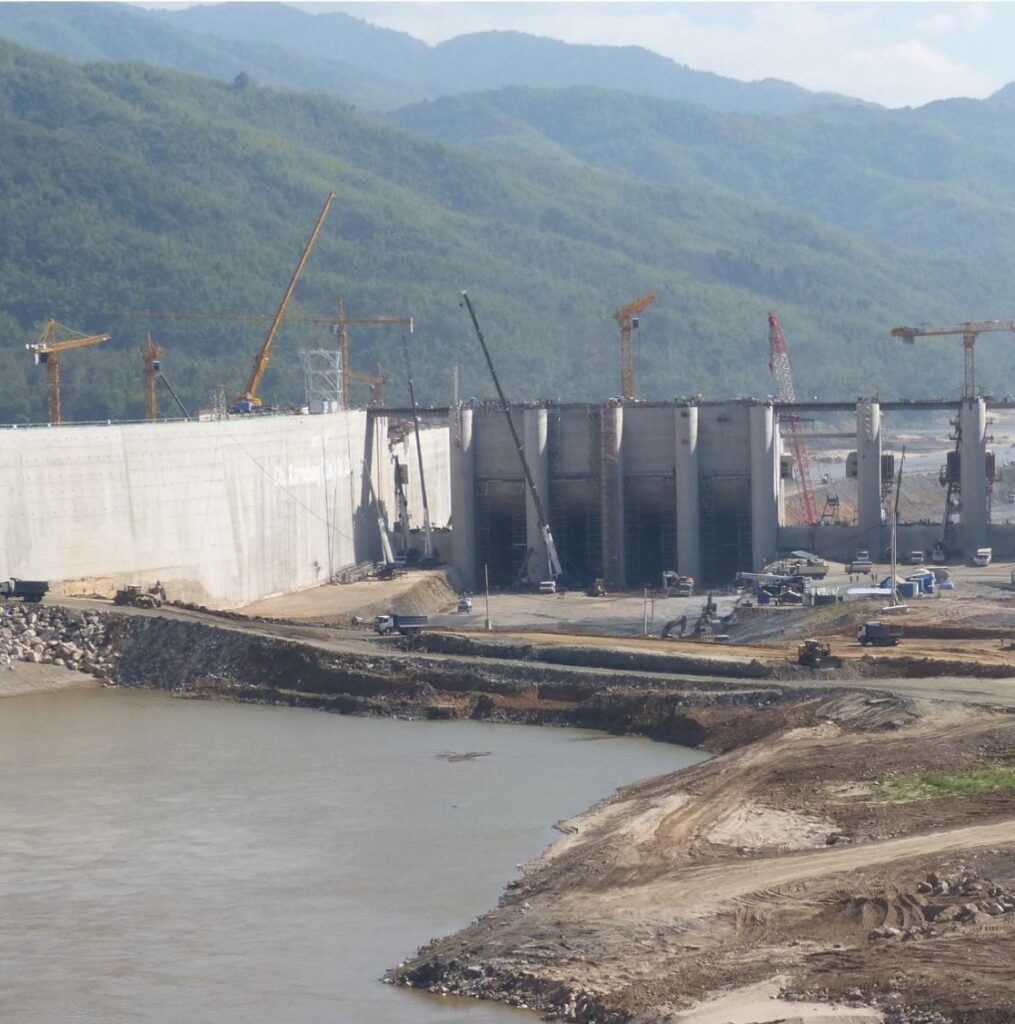
Rivers are connected systems. Thus, water infrastructure has complex cumulative impacts on processes such as hydrology, sediment, or fish migration. 

We deploy network-scale models for river processes and tools for operations research to design portfolios of infrastructure, such as dams and reservoirs, that meet societal needs with the least possible impact on rivers. 

Other info

Rivers in future food and energy landscapes

Rivers are critical for today’s water, energy, and food systems. By combining research in  renewable energy planning and agrohydrology with river system science, we aim to develop a better understanding of our  future dependence on rivers, and how to leverage rivers without further impacts on their ecosystems. 

Other info

California's ChanGing Sediment Budgets

California is an outstanding place to study river sediment budgets, and their many interdependencies with society. Driven by Ph.D student Paxton Ridgway we think about how drivers such as dam removals and increasing wildfires will impact sediment transport in the state. 

Other info

Rivers, Watershed, and infrastructure under uncertainty

Understanding and managing rivers requires considering the entire river network and its contributing watershed. This implies large scales, long perspectives, and often working in little monitored areas. Through leveraging uncertainty analyses and bottom up decision making, we help to design policy pathways that lead to better outcomes for rivers and people – even in a deeply uncertain future.

Other info

Rivers and natural capital

Rivers and their watershed provide many resources to societies. By providing water and food for people, nourishing river deltas with sediment, or buffering floods on their floodplains. While ideas such as natural capital have taken root in many debates about conservation, rivers are too  often not considered. Thus, our research aims to highlight the natural capital intrinsic to rivers, providing an additional motivation to protect them. 

 A special focus is on highlighting the value of river deltas, areas that support incredible values for people and that are great risk if their contributing watersheds are not managed sustainably. 

Other info

Where we work

A lot of our research focuses on large, transboundary rivers in the Global South – and particularly in the Mekong River in South East Asia. That does not mean that we are not interested in smaller and more local case studies. 


Other info